

Designing with restraint is often misunderstood as creating less, when in reality it requires significantly more intention. Every successful product, space, or object begins with countless possibilities, yet the strongest outcomes emerge through careful refinement rather than continuous addition. True restraint is the ability to recognise which ideas strengthen a design and which simply distract from its purpose. By removing unnecessary elements, designers create work that feels calm, balanced, and capable of lasting far beyond changing trends.
The process of refinement demands patience. Initial concepts are rarely complete, and the most valuable improvements often come from questioning existing decisions rather than introducing new ones. Each iteration becomes an opportunity to simplify proportions, improve functionality, and strengthen the relationship between materials and form. Instead of chasing novelty, restraint encourages designers to focus on clarity, ensuring every detail contributes to a coherent whole.
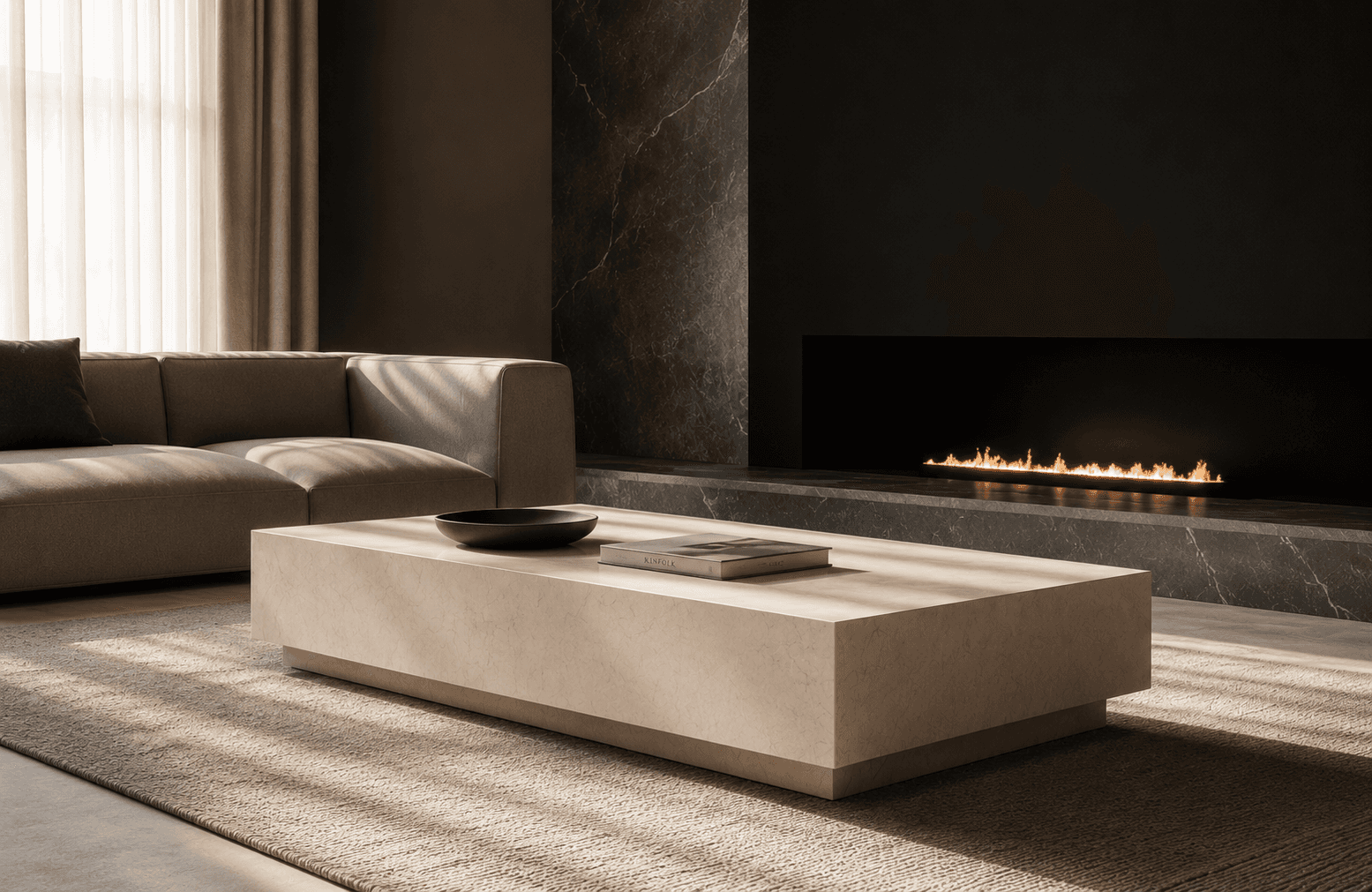
Creating less does not mean sacrificing character. In many cases, reducing visual noise allows the qualities that truly matter to become more apparent. Carefully selected materials, precise craftsmanship, and balanced proportions naturally take centre stage when they are not competing with excessive decoration. This quiet confidence gives products a sense of permanence, allowing them to feel equally relevant today and many years into the future.
Restraint also improves the experience of using a product or inhabiting a space. When interactions are intuitive and visual distractions are removed, attention shifts towards comfort, usability, and atmosphere. Furniture feels more inviting, architecture becomes easier to navigate, and interiors encourage a sense of calm rather than overstimulation. The absence of unnecessary complexity often results in experiences that feel effortless, even though they have been carefully engineered behind the scenes.
Materials play an important role in supporting this philosophy. Natural stone, timber, brushed metals, and textured fabrics possess an inherent richness that requires very little enhancement. Rather than disguising these materials with excessive finishes or ornamentation, restrained design allows their authentic qualities to define the overall aesthetic. As these materials age, they develop character that adds depth rather than diminishing the design over time.
Another important aspect of restraint is consistency. Every decision should support the same underlying intention, from the scale of a room to the smallest construction detail. This consistency creates harmony across an entire project, ensuring that individual elements work together rather than competing for attention. The result is a design language that feels composed, deliberate, and quietly sophisticated.
In an age where technology and manufacturing make almost anything possible, the discipline to stop adding has become increasingly valuable. The temptation to include more features, more materials, or more visual statements can easily overwhelm the original purpose of a design. Restraint reminds us that innovation is not always measured by how much is added, but by how effectively complexity can be simplified without compromising quality or performance.
Ultimately, the value of restraint lies in creating designs that remain meaningful long after trends have passed. Products shaped through careful refinement feel timeless because they are built around enduring principles rather than temporary fashions. By choosing clarity over excess and refinement over decoration, designers create objects and environments that continue to improve everyday life with quiet confidence, proving that the strongest ideas are often expressed with the greatest simplicity.

Join Our Newsletter
Stay updated on new collections, design insights, and product launches with our thoughtfully curated updates.
Obelisk
Obelisk creates timeless furniture inspired by architecture, craftsmanship, and material honesty. Designed to elevate contemporary spaces with enduring simplicity.
@ 2026 Obelisk. All Rights Reserved.