

Modern design is often associated with simplicity, yet achieving simplicity has never been more demanding. In a world where products are expected to do more, communicate more, and adapt to countless situations, the temptation is to continually add features and visual complexity. The real challenge, however, lies in deciding what is truly necessary and having the confidence to remove everything else. Simplicity is not the absence of thought—it is the result of careful refinement.
Every successful design begins with an abundance of ideas. Sketches evolve into concepts, concepts become prototypes, and each iteration introduces new possibilities. While this creative freedom is essential, it also creates a difficult question: which ideas genuinely improve the product, and which merely distract from its purpose? The discipline to make these decisions often separates timeless design from temporary trends.
Removing complexity is rarely the easier option. Every element that remains must justify its presence through function, usability, or emotional value. A single line, proportion, or material choice carries greater significance when there are fewer components competing for attention. Designers must therefore think more critically, ensuring every decision contributes meaningfully to the overall experience rather than simply filling space.
This philosophy extends beyond appearance. Simplicity should also define the way a product is understood and used. Clear interactions, intuitive proportions, and thoughtful ergonomics allow users to engage with an object naturally, without needing explanation. The most refined products often feel obvious, even though achieving that sense of effortlessness required countless hours of testing, revision, and refinement behind the scenes.
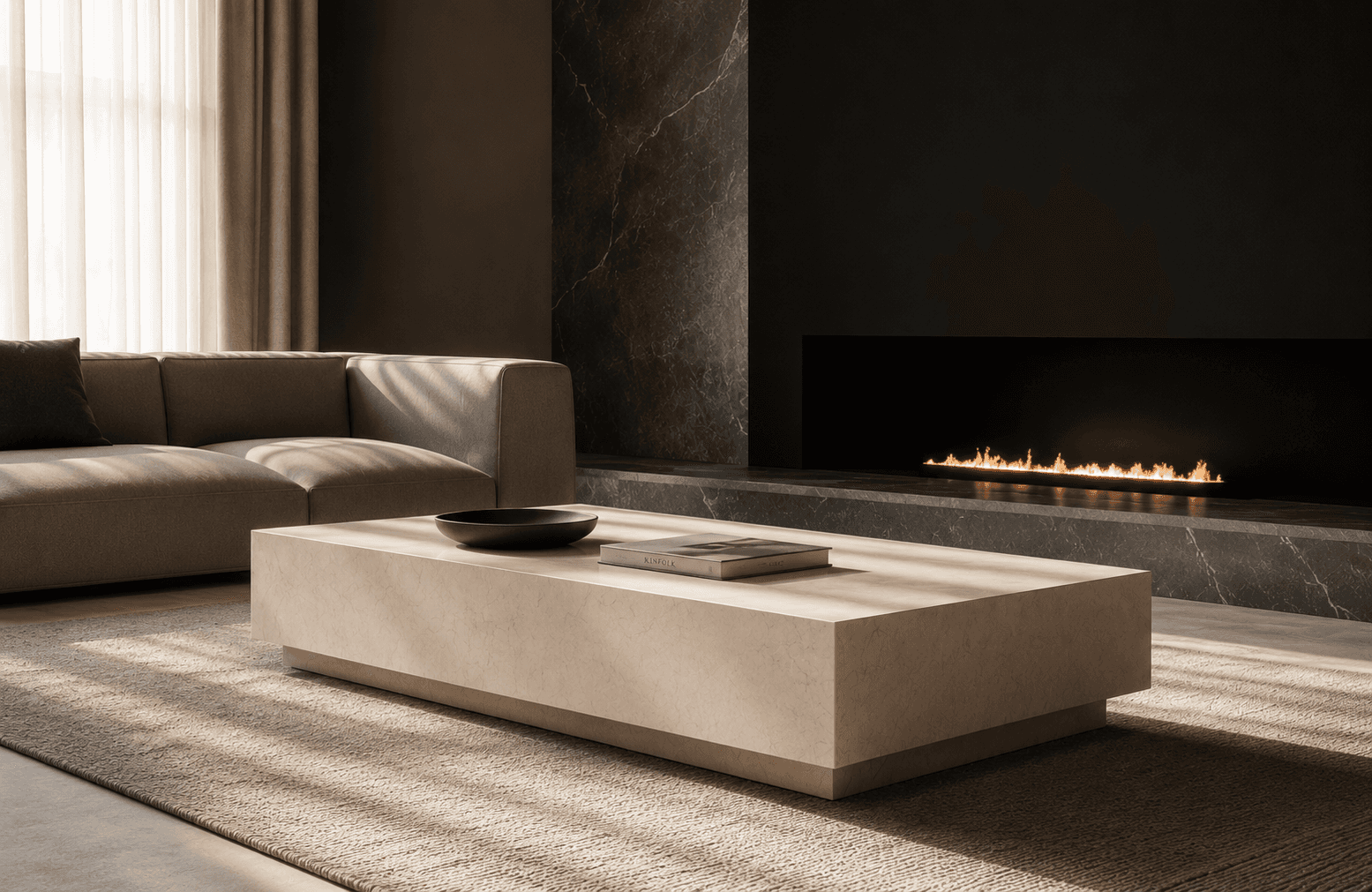
Materials play an equally important role in reducing complexity. Honest materials with natural character eliminate the need for excessive ornamentation, allowing texture, craftsmanship, and proportion to become the defining qualities of a piece. Stone, timber, and metal possess their own visual richness, making it possible to create products that feel sophisticated without relying on decorative details that quickly become dated.
Perhaps the greatest challenge facing contemporary designers is resisting the pressure to constantly innovate through addition. Technology enables products to become increasingly capable, but capability alone does not guarantee a better experience. Thoughtful design asks whether each new feature genuinely improves everyday life or simply introduces another layer of distraction. In many cases, the strongest solution is not to add something new, but to simplify what already exists.
This mindset also supports longevity. Products that avoid unnecessary complexity tend to age more gracefully because they are built around enduring principles rather than passing fashions. Their value comes from clarity, quality, and purpose rather than novelty. As trends evolve, these designs remain relevant because their foundations were never dependent on excess.
The pursuit of simplicity demands patience, restraint, and an unwavering focus on what matters most. It requires designers to question every decision, refine every proportion, and eliminate anything that does not contribute to the whole. While this process is often slower and more demanding than adding new ideas, the results are products that feel timeless, balanced, and quietly confident.
Ultimately, simplicity is not about creating less—it is about creating with greater intention. By removing unnecessary complexity and concentrating on essential qualities, designers produce objects that are easier to understand, more enjoyable to use, and capable of remaining relevant long after trends have faded. It is this discipline of knowing what to leave behind that makes simplicity one of the most difficult—and most rewarding—goals in contemporary design.

Join Our Newsletter
Stay updated on new collections, design insights, and product launches with our thoughtfully curated updates.
Obelisk
Obelisk creates timeless furniture inspired by architecture, craftsmanship, and material honesty. Designed to elevate contemporary spaces with enduring simplicity.
@ 2026 Obelisk. All Rights Reserved.